

Learning from audio and video has become part of my everyday routine.
I watch recorded lectures, save webinars, listen to podcasts, review meeting recordings, and collect useful videos whenever I find them. The problem is that saving learning material is much easier than actually reviewing it later.
A one-hour lecture may contain only a few ideas I need to revisit. A podcast may include one explanation I want to quote. A recorded class may have several important moments, but finding them again usually means dragging through the timeline and guessing where the right section begins.
That is why I started using AI transcription as part of my learning workflow. Instead of treating recordings as files I have to replay from beginning to end, I turn them into text that I can search, edit, review, and export.
Recently, I have been using NeatScribe to convert audio and video into readable transcripts. It has helped me make long recordings feel more like study documents.
Why searchable text changes the way I learn
Audio and video are excellent for understanding tone, examples, and explanation. But they are not very efficient when I need to review.
With written material, I can scan headings, search keywords, highlight useful passages, and return to a specific idea quickly. With a long recording, I used to spend too much time replaying sections just to find one detail.
AI transcription solves this by turning spoken content into a searchable document.
- Search for a concept instantly
- Jump back to important moments
- Clean up the wording for my notes
- Export the transcript for later review
- Turn spoken explanations into study material
- Create subtitle files when I need captions
This small change has made my learning process much more organized.
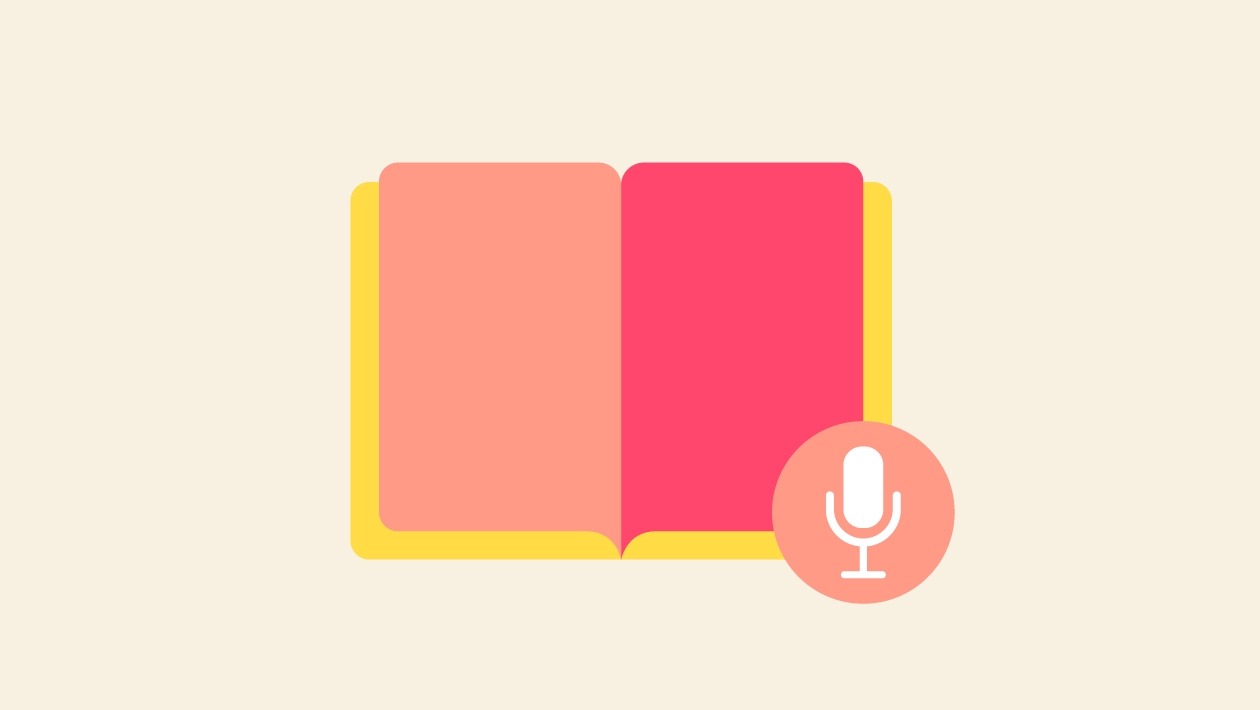
Image: turning lectures into searchable study notes.
My workflow for lectures and course videos
When I finish a class recording or save a useful educational video, I upload it to NeatScribe and generate a transcript.
For audio, I use the audio to text converter. For video files, I use the video to text converter. NeatScribe supports common formats such as MP3, WAV, M4A, MP4, MOV, AVI, MKV, and WEBM, so I do not usually need to convert the file before starting.
After the transcript is generated, I read through it like a study document.
This is helpful because I can separate the act of listening from the act of reviewing. During the original lecture, I can focus on understanding. Later, the transcript gives me a cleaner way to revisit what was said.
I especially like using this for online course recordings, lecture videos, research interviews, podcast episodes, meeting recordings, webinars, and tutorials.
Using timestamps to find key moments
One of the most useful parts of a transcript is the timestamp.
When I am studying a long recording, I often remember the idea but not the exact time it appeared. With timestamps, I can search the transcript for a word or phrase, find the relevant section, and jump back to that part of the recording.
For example, if I am reviewing a lecture about language learning, I might search for pronunciation, memory, or practice. Instead of replaying the whole class, I can go straight to the section where the instructor explained that topic.
This saves time, but it also changes how I review. I no longer feel like a recording is a fixed timeline that I have to passively follow. It becomes something I can navigate.
Image: reviewing video content as notes instead of replaying the full recording.
Editing transcripts into better notes
A raw transcript is useful, but it is not always the final study material I want to keep.
After transcription, I usually edit the text directly in the browser. I remove repeated words, fix small recognition errors, add headings, and turn long spoken sections into cleaner notes.
This is especially helpful for meetings and interviews, where spoken language can be messy. The transcript gives me a complete starting point, and editing helps me turn it into something easier to review later.
For class notes, I may keep the original structure. For research interviews, I may highlight quotes. For tutorials, I may create a step-by-step checklist from the transcript.
The important thing is that I am no longer starting from a blank page.
Exporting notes, documents, and captions
Once the transcript is ready, I export it based on what I need next.
If I want a simple study note, I export TXT. If I want a document I can share or archive, I use DOCX or PDF. If the transcript will become captions, I export subtitle formats such as SRT or VTT.
This makes the same recording useful in several different ways.
- A lecture can become personal notes.
- A tutorial can become written instructions.
- A webinar can become a summary document.
- A video can become caption-ready content.
For students, educators, creators, and researchers, this flexibility matters because learning materials often need to move between different tools and formats.
Image: exporting transcript text into documents for later review.
Why this matters for modern learning
There is more educational content available today than any learner can realistically finish.
The challenge is not access. The challenge is attention, review, and retention.
AI transcription helps because it makes spoken information easier to organize. When recordings become searchable, editable, timestamped, and exportable, they become part of a real study system.
I still listen to lectures and videos, but I no longer rely only on listening. I use transcripts to review, search, summarize, and build notes that I can keep using.
For me, NeatScribe has become a practical bridge between media and memory.
It helps turn passive recordings into active learning material.
The biggest lesson I have learned is simple: when audio and video become searchable text, learning becomes easier to manage. Instead of spending time trying to find information again, I can spend more time understanding it.






Attach up to 5 files which will be available for other members to download.